The Self-Investigation’s Mental Health Leadership for Fact-Checkers program is a rigorous, 6-month program of training and coaching for leaders of fact-checking organizations. In 2024 we have run two cohorts, one in English and one in Spanish, with 14 fact-checking organisations participating.

Fact-checking professionals face a specific set of challenges around mental health, such as time-tight timelines, online harassment, vicarious trauma and strong work demands. This is especially important in mega-election years with more than 60 countries hosting elections, multiple global conflicts and an onslaught of harrowing images on social media (both real and AI-generated).  Because of this, we believe that having the right tools and strategies to protect one’s mental health and better support their team is more important than ever

In its first edition, the program has been offered free of charge to two cohorts of journalists, made possible by a generous grant from the International Fact-Checking Network (IFCN). The objective is to empower fact-checking leaders with the skills to cultivate a lasting culture of mental health awareness and action within their teams. In addition, leaders receive individualised coaching and accompaniment in implementing change.

What participants learn:

Through five group training sessions and 1:1 coaching, participants are learn key skills in the following areas:

  • The basics of mental health and burnout prevention;
  • Addressing vicarious trauma and online harassment in the newsroom;
  • Developing digital boundaries in an always-on culture;
  • Creating a culture of psychological safety in the team;
  • Sustaining a mental health toolkit and practices in your organization.

Key activities in the program:

  • Practical skills and actionable frameworks designed for fact-checkers
  • Coaches and trainers with media industry experience
  • Group discussions for mutual learning and support
  • Pairing with a coach for 1:1 support during the program
  • Written resources and guides for implementing change

The expected time commitment is 15-20 hours over 6 months.

This is how two managers in the program define a mentally healthy workplace: 

"A workplace where people feel included and aren't afraid to say what they think, where they enjoy spending their time, feel motivated, and do not feel uncomfortable with their work or the people around them and know where to seek advice and help if necessary."
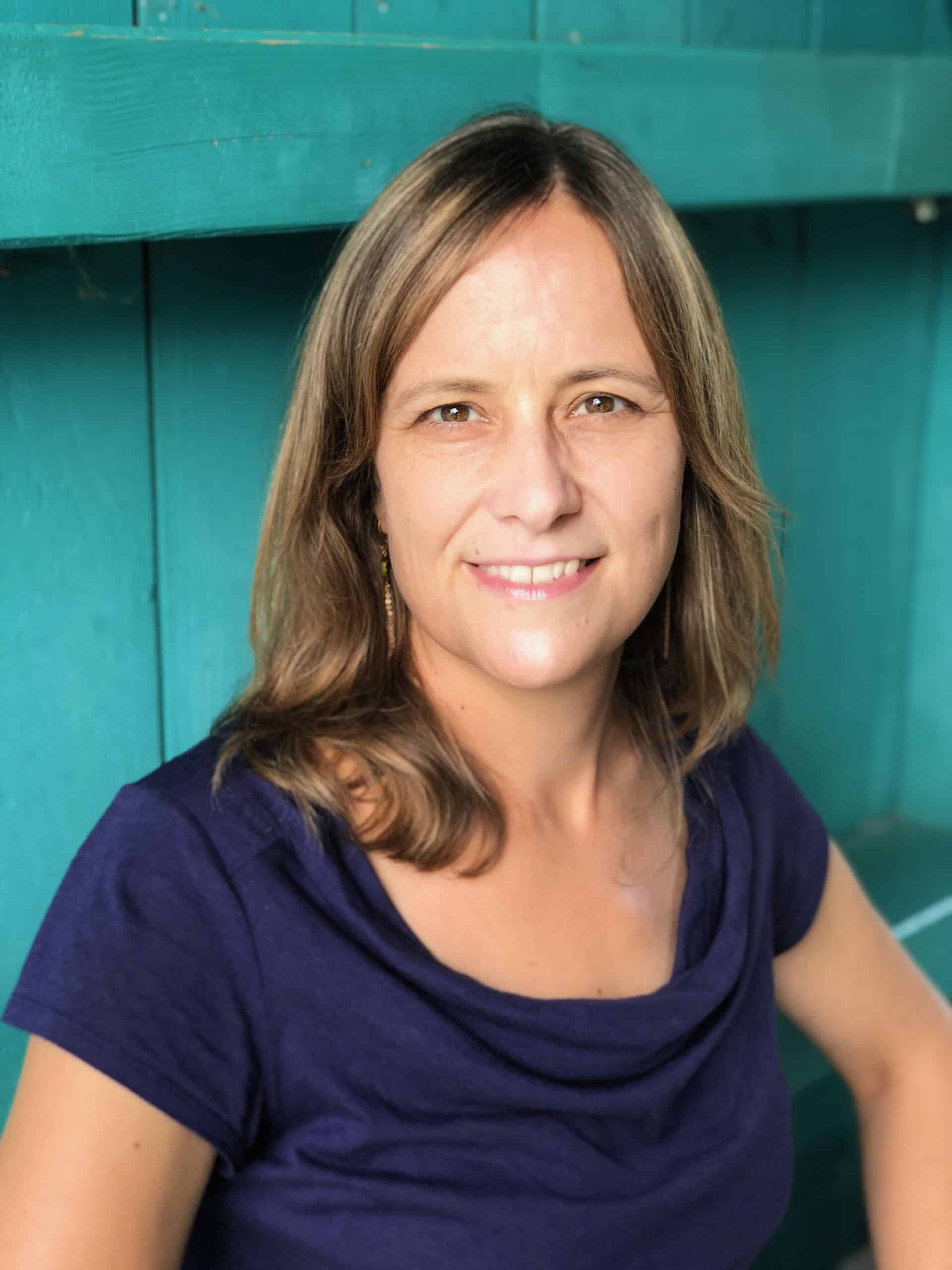
Sophie Nicholson
Deputy Editor in Chief, Digital Investigation, AFP
"A safe place where professionals are able to set boundaries and have a work-life balance. They should also feel free to express their views without fear of discrimination or retribution."
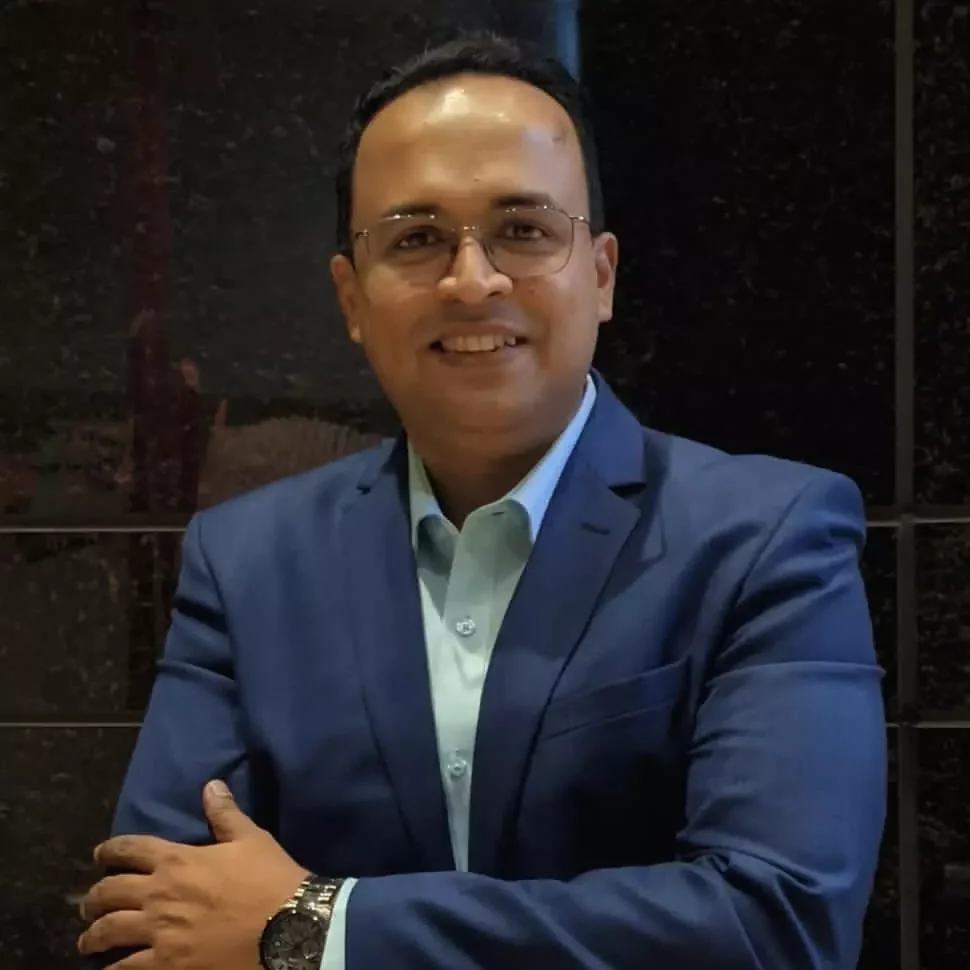
Jency Jacob
Managing Editor, BOOM Live

Five guides available on burnout prevention, digital boundaries, vicarious trauma and moral injury, online harassment and psychological safety

Revisit the MHJS24 panel discussion about lessons learned from the  Mental Health Leadership for Fact-Checkers program.

Listen to fact-checkers Jency Jacom (BOOM), Blanka Zöldi (Lakmusz), Eric Litke (USA Today), and program manager AX Mina provide early insights into the program’s structure, learning objectives, its transformative impact.

Articles about the Program

In 2024, the program has been sponsored by:
About the Participants

In 2024, 14 fact-checking organizations make up the two cohorts, with a primary participant who receives both coaching and training. Each organization has the option to include a secondary participant who joins for the trainings.

See the bios of the 2024 participants in English and Spanish.

About the Trainers and Coaches

Contact us to find out more about our services for Fact-Checkers

Book a meeting or email us

ES